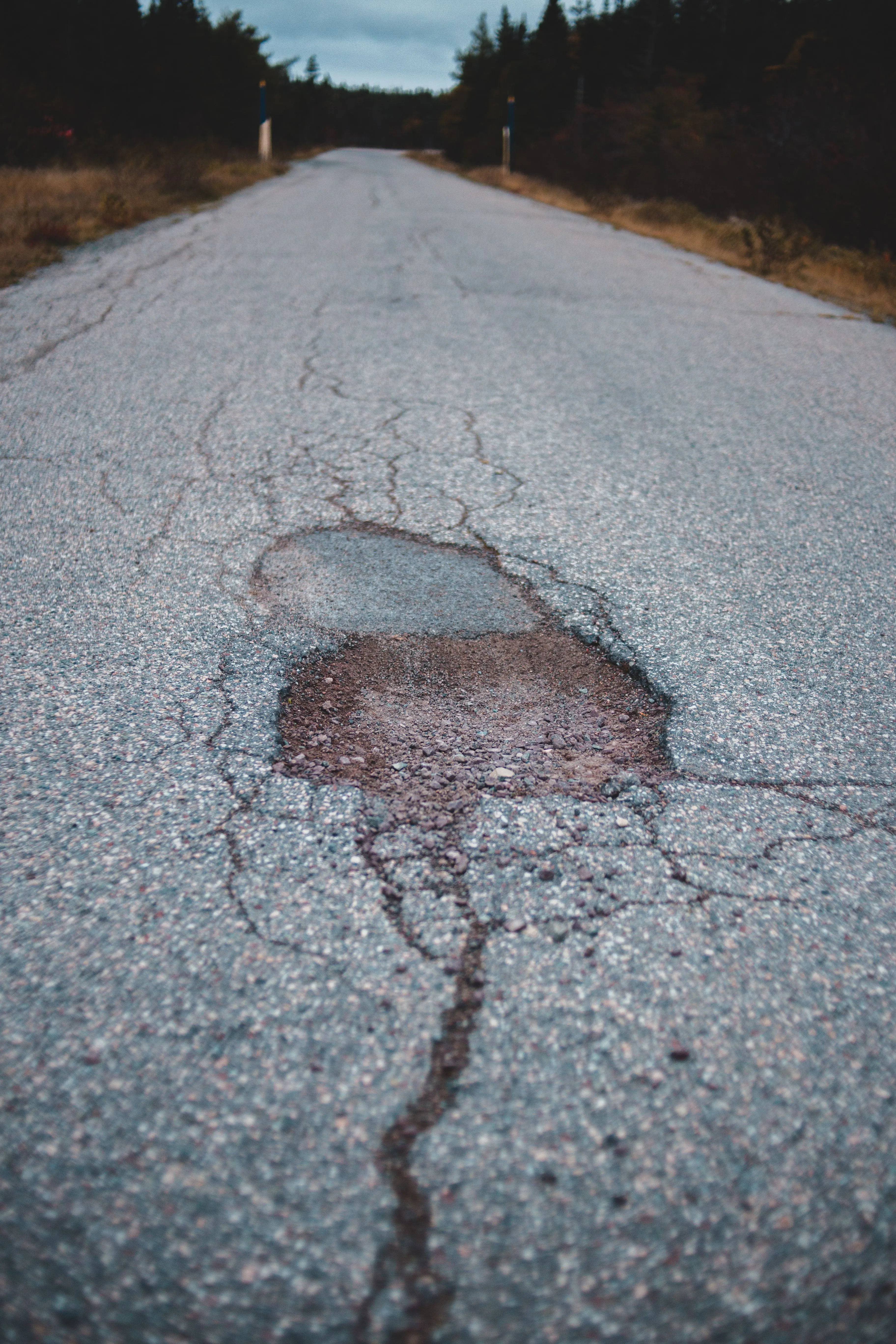
Report Broken Infrastructure To The Council
The dead streetlight, the blocked ramp, the pothole - councils mostly fix what gets reported, and almost nobody reports.
- Cost
- Free
- Time
- Under 15 min
- People
- Solo / Duo, Small Group (3-6)
- Where
- Street / Local Business, Anywhere
- Bring
- Nothing in particular
Why this matters
Councils overwhelmingly work from reported faults rather than proactive inspection, so a broken streetlight or blocked dropped kerb can persist for months because everyone assumes someone else has flagged it. These faults disproportionately affect people with limited mobility or vision, for whom a blocked ramp isn't an inconvenience but a route they can no longer use.
How to do it
Most councils have an online form or app for this, and services like FixMyStreet route reports to the right authority automatically if you're not sure who's responsible.
What's worth reporting: - Potholes, broken paving, and raised or sunken slabs - Streetlights that are out, especially on paths and crossings - Blocked or damaged dropped kerbs and ramps - Overgrown hedges blocking a pavement, forcing people into the road - Broken handrails, damaged bus shelters, faulty crossing beepers - Fly-tipping, overflowing bins, abandoned vehicles - Blocked drains, particularly before winter
What makes a report actually get actioned: - A photo. It's the single biggest factor. - A precise location - a what3words reference, a house number, or a nearby landmark. "On the high street" achieves nothing. - A description of the risk rather than the annoyance. "Dropped kerb blocked, wheelchair users have to go into the road" gets a different response from "bin left out".
Make it a walk. Take twenty minutes with a friend, report everything you find, and you'll be surprised how much there is on one street. Accessibility issues in particular are usually invisible until you deliberately look for them.