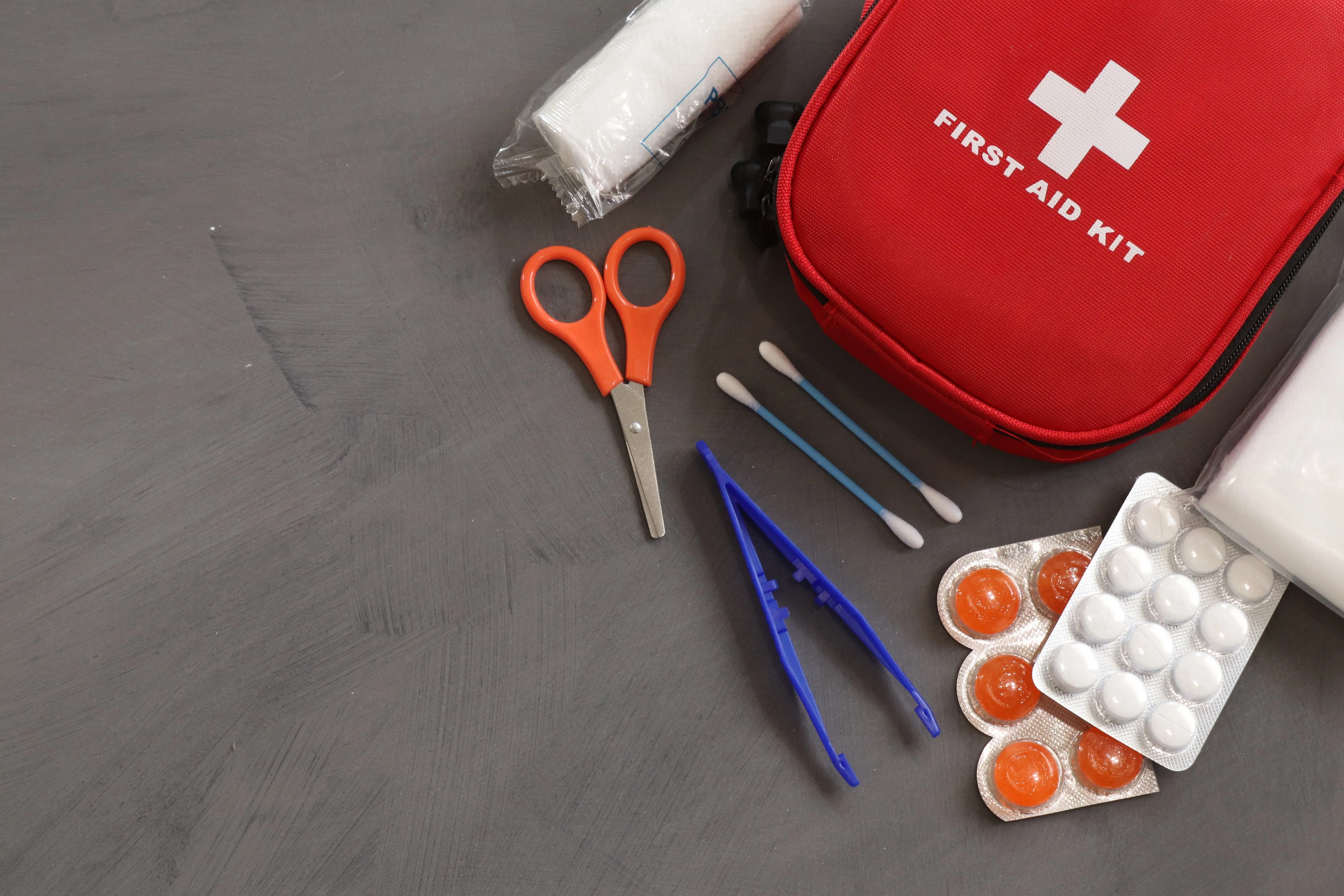
Put A First Aid Kit In Your Car And Backpack
Ten pounds, once, and you stop being someone who can only stand there watching.
- Cost
- Under £20pp
- Time
- Under 15 min
- People
- Solo / Duo
- Where
- Anywhere, Park / Outdoor
- Bring
- Nothing in particular
Why this matters
Minor injuries happen constantly in places with nothing to treat them - a cut on a walk, a burn at a barbecue, a child falling in a park. Most people carry nothing, so situations that need a plaster and antiseptic instead need a trip home or to a pharmacy. A basic kit costs about ten pounds and turns you into the person who can just deal with it.
How to do it
Buy a small pre-made first aid kit for each car and hiking pack, or build your own. Pre-made ones are cheap and good enough to start with.
What should actually be in it: - Plasters in several sizes, and blister plasters - Sterile dressings and a bandage or two - Antiseptic wipes - Micropore tape - Tweezers and small scissors - Disposable gloves - A triangular bandage - A foil emergency blanket - Painkillers, and antihistamines for stings and reactions
Additions worth making: - Rehydration sachets, especially for travel - A tick remover if you walk in long grass or with dogs - A note inside with emergency contacts and any allergies or conditions in your household
Two things people always get wrong: they never check it, and they raid it for plasters at home and don't restock. Set a calendar reminder once a year to check dates and refill. A kit with three empty wrappers and expired antiseptic is worse than useless because you'll rely on it.
Knowing how to use it matters more than having it, so this pairs directly with actually doing a first aid course. But the kit is the ten-minute version, and it's better than nothing by a wide margin.