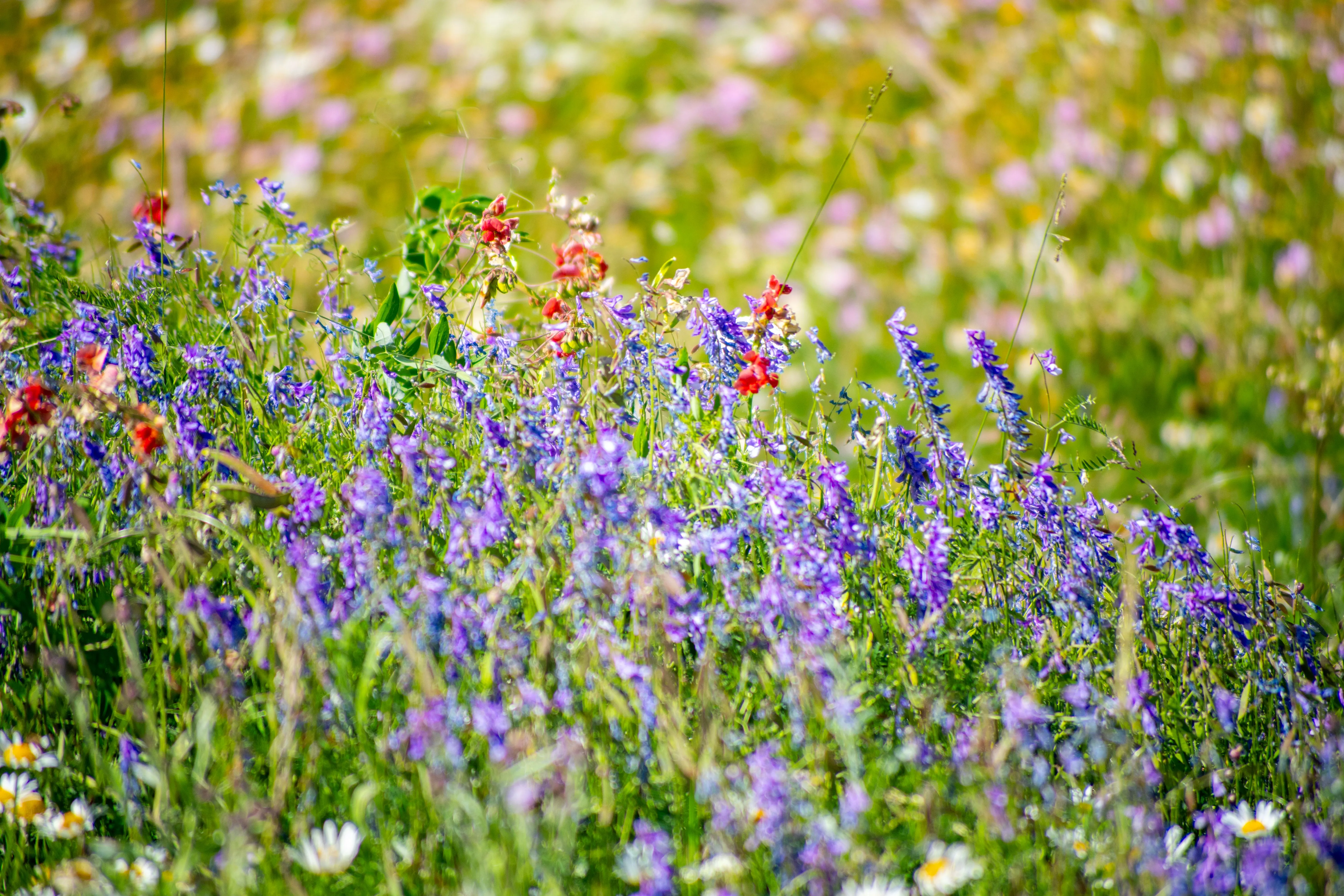
Plant Wildflowers Wherever You Can
Scatter native wildflower seed on any patch you control - the cheapest, laziest thing you can do for collapsing insect populations.
- Cost
- Under £20pp
- Time
- 30 min
- People
- Solo / Duo, Small Group (3-6)
- Where
- Home, Park / Outdoor
- Bring
- Native wildflower seed
Why this matters
Insect populations have fallen sharply, and the main driver is habitat loss - the wildflower meadows most pollinators depend on have largely disappeared. Gardens, verges and small patches collectively cover an enormous area and can partially substitute. Wildflowers are also cheaper, lower maintenance and better for wildlife than the lawn or bedding they replace.
How to do it
Buy native wildflower seed - and check it's native to your country, not a generic "wildflower mix" that's mostly non-native annuals. Then sow it on any ground you control: a garden patch, a strip of lawn you stop mowing, planters, a balcony window box.
What actually works: - Poor soil is better than rich soil. Wildflowers get outcompeted by grass on fertile ground. Don't feed it. - Sow in autumn or early spring, rake the surface first, scatter, tread it in, and leave it alone. - The single most effective thing is simply mowing less. Leaving part of a lawn uncut through spring and early summer often produces more flowers than sowing anything. - Cut once at the end of summer and remove the cuttings, which keeps fertility low.
Do this as a group and it costs almost nothing - one large bag of seed covers several gardens, so split it between friends and neighbours.
A note on guerrilla planting: scattering seed on land you don't own is well-intentioned but can go wrong - some verges and rough ground are deliberately managed habitats already, and introducing the wrong species can do harm. Ask the council first; many now have schemes and will say yes.