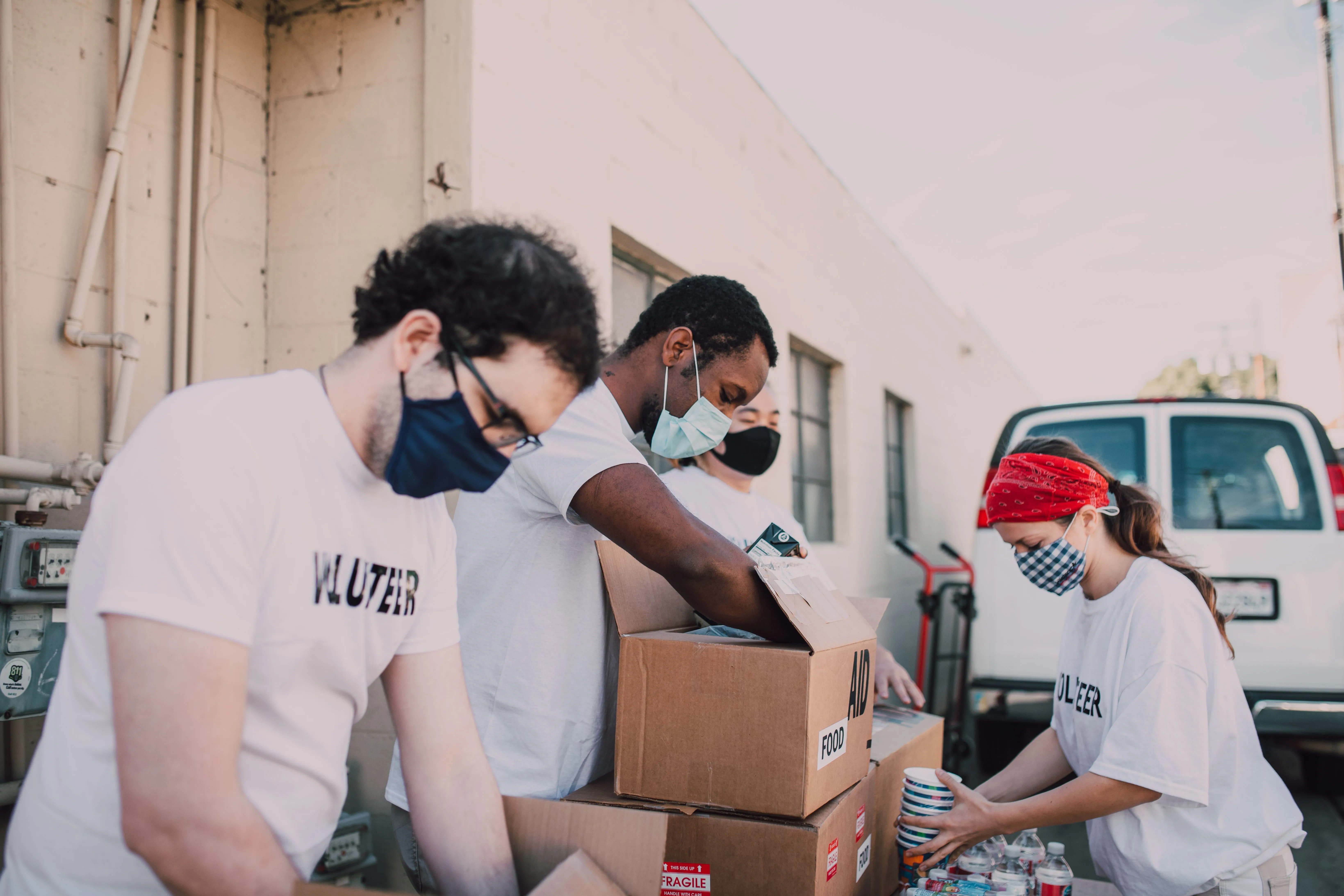
Join A Local Emergency Response Volunteer List
Get on the list now so that when something actually happens near you, you're someone who can be called.
- Cost
- Free
- Time
- Half-day
- People
- Solo / Duo, Small Group (3-6)
- Where
- Community Org
- Bring
- Registration and usually some training
Why this matters
When a flood, fire or major incident happens, response organisations need people immediately - and recruiting, vetting and training from scratch at that point is impossible. Standing volunteer lists exist precisely so that capacity is ready in advance. Signing up during a quiet period is the only way to be useful during a busy one.
How to do it
Look for organisations near you that maintain trained volunteer lists: the Red Cross, St John Ambulance, community emergency response teams, flood warden schemes, mountain or lowland rescue, or your council's emergency planning team.
What this typically involves: - An application and usually a background check - Some initial training, ranging from an afternoon to several weekends depending on the role - Occasional refreshers - Being on a call-out list you may not hear from for months
Be realistic about which level you're signing up for. Roles range enormously: - Low commitment: being on a list to staff a rest centre, help with logistics, or make calls - Medium: community first responder schemes, where you're dispatched to certain emergency calls before an ambulance - High: search and rescue teams, which involve serious ongoing training commitments
Go in honest about your availability. Organisations would much rather have someone reliable for occasional daytime work than someone who signs up enthusiastically and can never come.
If you'd rather do something with less commitment first, get CPR trained and sign up to a cardiac responder app - that's a much lower barrier and still genuinely useful.
Doing the training with a friend makes the initial weekend far less daunting.